
Caskets and Coffins for Sale: A Buyer's Review

Last Updated: November 4, 2026
Quick Summary
Caskets and coffins for sale are available in many styles, and Barnwood Casket offers more than 70 handcrafted designs in solid wood. Delivery is made in the company's own vehicles, and a written quote is the best way to compare pricing and delivery timing.
Confirm the wood species, finish, interior and assembly method before comparing options.
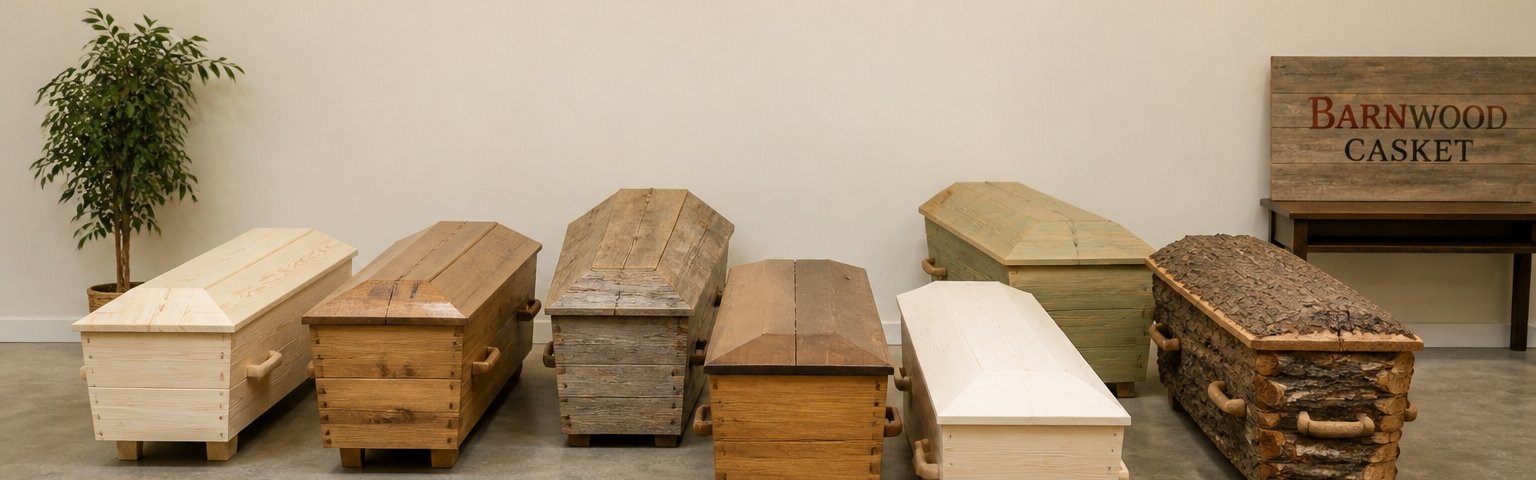
Barnwood Casket offers more than 70 different styles to choose from.
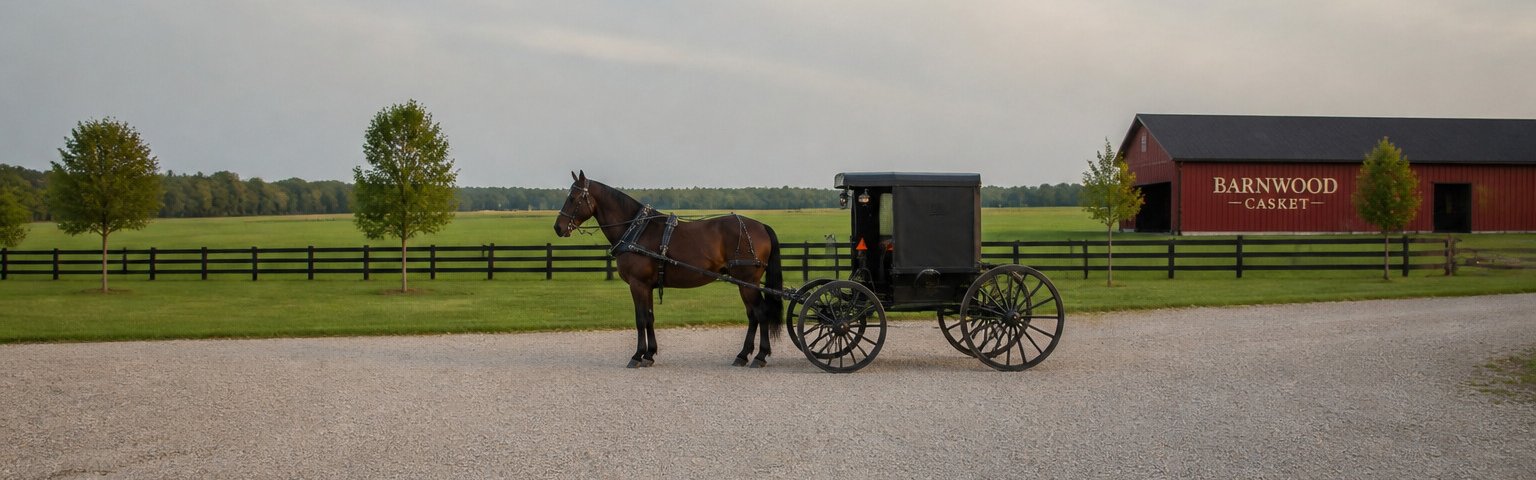
Each Barnwood Casket is handcrafted by Amish craftsmen, mostly without power tools.
Delivery is made using the company's own vehicles rather than a freight carrier.
Request an itemized written quote, since pricing depends on model, quantity and delivery.
Table of Contents
What to Look for in Caskets for Sale
Choosing from caskets and coffins for sale is one of the few purchases a family makes under real time pressure and emotional strain. Funeral directors and families both need a supplier who is clear about what they are buying, how it is made, and when it will arrive.
Barnwood Casket builds its products by hand. Every piece is handcrafted by Amish craftsmen, and most are made without power tools. The company offers more than 70 different styles, so buyers can compare designs before deciding. Delivery is made using Barnwood Casket's own vehicles.
When you compare caskets for sale, check these points first:
Material and construction: Confirm the wood species or metal, the finish, and how the casket is assembled.
Style range: A wider selection makes it easier to match a family's preferences without switching suppliers.
Delivery timing: Ask how quickly an order can be fulfilled and how it is transported.
Price transparency: Pricing depends on the model, quantity, and delivery details, so request a written quote.
Casket Material Types: Solid Wood vs. Metal
Wood and metal caskets differ in appearance, weight, and cost. Solid wood caskets are valued for their natural grain and warmth. Metal caskets are typically chosen for their durability and sealing properties.
Barnwood Casket works primarily with wood. The company offers a variety of species, including mahogany, walnut, cherry, and oak. Because the pieces are handcrafted, each one is distinctive, which can appeal to families who want something personal.
Ask suppliers which wood species they use, how the finish is applied, and whether the interior is lined with fabric that suits the design. These details shape both the appearance and the long-term quality of the casket.
Casket Styles Available From Handcrafted Makers
Handcrafted makers often differ from mass-produced suppliers in the range of designs they offer. Barnwood Casket offers more than 70 styles. For a funeral home, that breadth means a family's preference can usually be met without a long search.

Barnwood Casket's products are handcrafted, and the company describes its designs as one-of-a-kind, which can help funeral homes offer something distinct. You can browse the polished wood caskets in various styles to see the designs available.
When reviewing handcrafted styles, look for:
Clear photographs of each finish and wood species
Stated dimensions and interior specifications
Information on how many pieces are available in a given design
A supplier who can explain how a style is made
Casket Prices and What Affects Them
Casket pricing is where most buyers get the least information and pay the most for it. Many sellers publish broad price ranges, but the legal framework that governs what a funeral home can charge for a casket you buy elsewhere is often overlooked. That framework matters more than any single price point, especially for independent funeral homes sourcing inventory and for families comparing a third-party casket against a funeral home's own catalog.
The FTC Funeral Rule and third-party caskets
The Funeral Rule, enforced by the Federal Trade Commission, is a key consumer protection in this purchase. Two provisions apply directly to caskets:
You have the right to buy only the goods and services you want. A funeral home cannot require you to buy a casket from them as a condition of providing other funeral services.
A funeral home cannot refuse to handle a casket you bought elsewhere, and cannot charge a fee for handling it. If a funeral home tells you there is a "casket handling fee" or "outside casket fee," that is generally a violation of the Funeral Rule.
A common pattern is for a family to be quoted one price for a package that bundles the casket, then told the package is unavailable if they supply their own. Asking for the itemized general price list, which the Funeral Rule requires the funeral home to provide, is a practical first step.
Watch out: some funeral homes phrase the surcharge as a "delivery coordination" or "inspection" charge rather than a handling fee. The label does not change the rule; a charge that exists only because you supplied an outside casket is the kind of fee the Funeral Rule prohibits.
What actually drives the price of a casket
Setting the legal question aside, the price of any casket, wood or metal, is built from a handful of cost drivers. Understanding them lets you compare quotes line by line instead of comparing a single bottom-line number.
Material: Solid hardwood species differ substantially in cost. Solid hardwood species differ in cost, and metal caskets are typically priced by gauge and by whether they are non-sealing, sealing, or protective.
Construction method: Hand-built joinery and hand-applied finishes require more skilled labor hours than stamped or machine-assembled components. Hand-built joinery and finishing can add to the cost compared with machine-assembled models.
Interior: The lining fabric and padding, crepe, velvet, satin, or a tailored cloth, and whether the interior is adjustable add to cost. Interior choice is also the detail families notice most at a viewing.
Hardware and finish: Decorative handles, corners, and lid hardware are priced individually on many price lists. Hand-rubbed versus sprayed finishes differ in labor.
Size: Oversized caskets require more material and often custom construction, which raises cost. Oversized caskets generally require more material, so sizing should be confirmed when requesting a quote.
Order quantity and delivery: Funeral homes ordering several pieces can often negotiate terms a single-family buyer cannot. Delivery distance and timing also affect the total.
How to compare quotes fairly
A lower base price can become the more expensive option once transportation, interior upgrades, and timing are added. Before comparing two quotes, confirm that both cover the same wood species, the same interior fabric, the same hardware, and delivery to the same location on the same date.
Barnwood Casket does not publish fixed price points; pricing depends on the model, the wood species, the interior, order quantity, and delivery details. The most accurate figure comes from a written quote that lists each of those items separately, so you can compare it against any other supplier's itemized quote on equal terms.
Casket Delivery Time and Shipping Policies
Delivery time is often the deciding factor for funeral directors. A family may call on a Friday for a Monday service, and the casket must arrive on schedule. Some casket sellers ship through third-party freight carriers, which can involve terminal transfers and scheduling that may not account for a service date.
Barnwood Casket delivers using its own vehicles, so delivery is handled directly by the company rather than through a separate freight carrier.
How the delivery process works
A typical handcrafted order moves through four stages, and each one is a place where timing can slip:
Order confirmation. The style, wood species, interior, and dimensions are confirmed in writing. Ambiguity here is the most common cause of delay later.
Build scheduling. Handcrafted pieces are built in sequence. Urgent orders should be raised with the company at the time of order so that build timing can be discussed.
Loading and transport. Because delivery is made in company vehicles, the casket is transported directly to the funeral home or service location.
Handoff. The receiving funeral home inspects the casket on arrival. Confirm in advance who signs, where the vehicle can park and unload, and whether a liftgate or additional hands are needed.
Questions to ask before you order
How quickly can an order be processed and dispatched?
Is delivery included in the quote or billed separately?
Does the supplier deliver directly, or through a freight carrier with terminal transfers?
Does the supplier deliver to rural or hard-to-reach locations, and is there an upcharge?
What is the procedure if a delivery is delayed, who calls whom, and how fast?
Can the delivery window be narrowed to a specific morning or afternoon?
Ask for the total elapsed time from order confirmation to arrival at your door, not the shipping window alone.
Planning around a short service window
When a service is days away, the sequence that works is to confirm the style and dimensions first, then confirm the delivery date in writing before any deposit changes hands. For a more detailed view of how rental works when timing is tight, see our guide on casket rental for funeral viewings. To check the full range of products available for quick delivery, browse the Barnwood Casket collection.
Barnwood Casket delivers using its own vehicles, so the funeral home works with the company directly for delivery.
The article lays out the delivery stages and the questions buyers should ask before ordering.
Stage | What happens | Where delays occur |
Order confirmation | Style, wood species, interior and dimensions confirmed in writing | Ambiguous specifications |
Build scheduling | Handcrafted pieces built in sequence | Urgent orders not raised at order time |
Loading and transport | Delivered directly in company vehicles | Unclear parking or unloading access |
Handoff | Funeral home inspects casket on arrival | Unconfirmed signer or missing liftgate |
Casket vs. Coffin: Understanding the Difference
A casket and a coffin are often used interchangeably, but they differ in shape. A coffin is six-sided, with a narrow, tapered body that follows the shape of the person inside. A casket is rectangular, with straight sides and a more traditional appearance. Most modern funeral homes offer caskets, while coffins are less common in the United States.
When buyers search for caskets and coffins for sale, they will see both terms used. The distinction matters for sizing, transport, and the family's preferences. Confirm the exact shape and dimensions with the supplier before placing an order.
Your Next Step: Requesting a Quote for Your Funeral Home
If you are ready to compare handcrafted caskets for your funeral home, the next step is a direct quote. Include the styles and wood species you are considering, your expected order volume, and your required delivery date. Barnwood Casket can then provide pricing that matches your specifications.
Contact Barnwood Casket at 731.610.5022 to set up an appointment or arrange a delivery. Ask about the company's handcrafted collection, its no-power-tools process, and its delivery timelines for last-minute orders. A clear quote in hand makes it easier to compare suppliers and choose the option that fits your families and your budget.
Frequently Asked Questions
What is a reasonable price for a casket?
Casket pricing depends on material, construction, finish, quantity and delivery terms, so there is no single standard figure. Barnwood Casket does not publish a price list in this article. Funeral homes and families should request a current quote from Barnwood Casket directly, then compare that quote against other suppliers using the same criteria: material, gauge or wood type, interior, hardware, warranty and delivery commitment. Comparing like-for-like specifications gives a far more accurate picture than comparing headline prices alone.
What is the difference between a casket and a coffin?
In American usage, a casket is typically a rectangular box with straight sides, the form most funeral homes stock, while a coffin is a six-sided, tapered shape. Casket is the more common term in the United States today. Both hold the deceased for burial or cremation. The practical decision for most buyers is the material, style and finish rather than the shape alone, so compare the specifications of each option before choosing.
How long does it take to receive a casket after ordering?
Delivery time depends on the maker, the style ordered and whether the piece is a standard or custom build. Barnwood Casket handcrafts its caskets without power tools and offers timely service for last-minute emergencies, but exact turnaround should be confirmed for each order. Funeral directors facing a time-sensitive service should ask for a written delivery commitment before placing the order and confirm the shipping method used to reach the funeral home.
Can a family buy a casket directly from a supplier?
Barnwood Casket sells its products through licensed professional funeral directors, so families typically work with their funeral home to select and purchase a casket. Families who want to explore options independently should ask their funeral director whether the home accepts a casket purchased from an outside supplier, since policies vary by provider. Reviewing the funeral home's general price list and the consumer rights that apply to casket purchases can help families make an informed choice.

Comments