
How to Choose a Casket for Cremation: A Buyer's Guide

Last Updated: November 2, 2026
Quick Summary
To choose a casket for cremation, first confirm the crematory accepts it, since most require a combustible container without metal parts that stay in the chamber. Then match the casket's size to both the person and the crematory's limits, and pick a material such as wood, cardboard or fiberboard based on whether there will be a viewing.
Confirm the crematory's rules before buying, since many require combustible containers.
Measure the person and get the crematory's maximum length, width, height and weight.
Wood suits a viewing; cardboard or fiberboard suits direct cremation and tight budgets.
Metal caskets are usually reserved for burial because the metal does not burn.
Ask for exterior dimensions and weight in writing, and confirm delivery before the service date.
Table of Contents
Choosing a casket for cremation starts with a simple question: what does a cremation casket actually need to do? The short answer is that it must hold the body respectfully during the service, meet the crematory's requirements, and fit the family's budget and timeline.
Here's what matters most. A cremation casket is not the same as a burial casket. Most crematories require a container that is combustible, and many will not accept metal parts that stay in the cremation chamber. Confirm the rules with your crematory before you buy anything.
A cremation casket usually has to do three jobs well:
Support the body during the viewing and transport
Look appropriate for the service the family chose
Burn cleanly in the crematory without leaving hazardous residue
Many families also want the casket to reflect the person who died. That is where style and material choices come in. We think the best choice starts with function and then moves to personal taste.
Cremation Casket Materials: Wood, Metal, Cardboard and Fiberboard
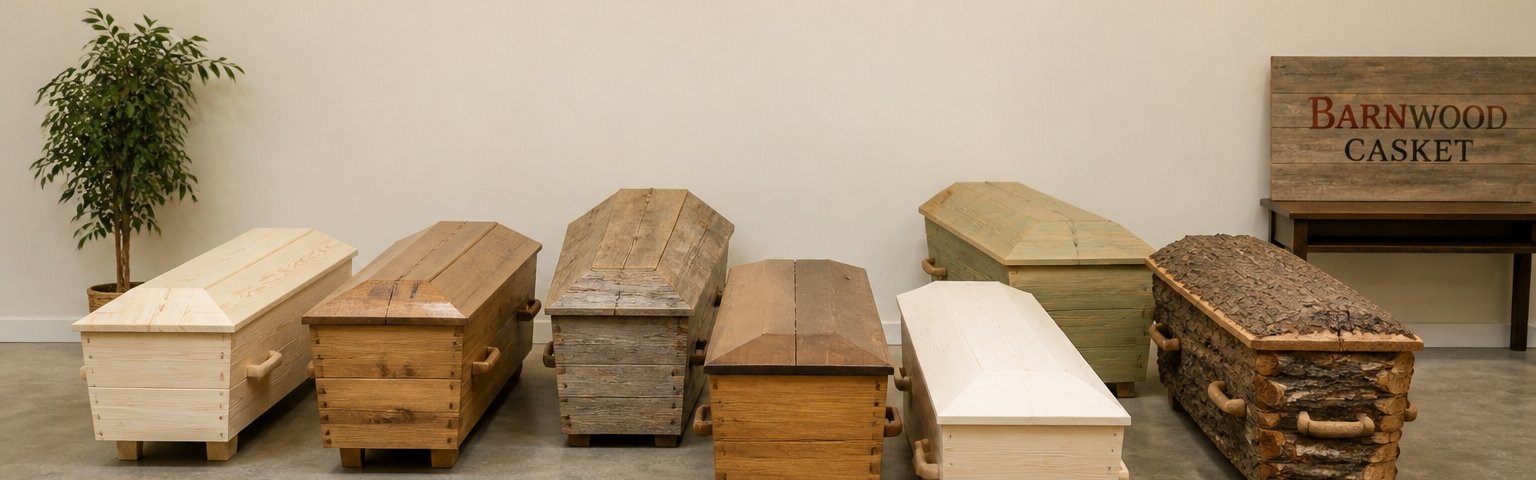
Material is the first thing most buyers notice, and it affects both appearance and cost. Wood is a common choice for a cremation casket that will be viewed. For a deeper look at wood types, styles and how to choose, read the wooden casket selection guide. You can browse handcrafted rustic and polished wood caskets to compare the wood options available. It is combustible and looks warm and natural.

Cardboard and fiberboard are simple container options that are often used for direct cremation, where no viewing takes place. Metal caskets are generally not suitable for cremation because the metal does not burn.
Wood: Best for viewings, handcrafted appeal, and natural beauty
Cardboard or fiberboard: Best for direct cremation and tight budgets
Metal: Usually reserved for burial, not cremation
Cremation Casket Size Requirements and Fit
Size is where many last-minute problems start. Two separate limits matter: the size of the person and the size limits of the cremation chamber. A casket has to satisfy both.
Step 1: Measure the person accurately
Do not estimate from memory. Ask the funeral home or the attending staff for the measured height and weight, and note any unusual proportions, broad shoulders, a larger chest, or a taller frame. Casket sizing is not just length; interior width and depth matter for a comfortable fit and a proper viewing.
Step 2: Get the crematory's actual limits
Cremation chambers vary. Ask the crematory, through the funeral home, for:
Maximum exterior length, width, and height accepted
Maximum weight accepted
Any restriction on handles, hardware, linings, or bedding that could interfere with loading
Whether the casket must fit a specific loading tray or lift
Write the answers down. A casket that fits the person but not the chamber is not usable, and a casket that fits the chamber but not the person is not respectful.
Step 3: Confirm the casket's exterior dimensions
Ask the supplier for exterior dimensions, not just the interior. Exterior length, width, height, and weight, empty and loaded, are the numbers the crematory needs. If the supplier cannot provide them in writing, that is a warning sign.
Practical checklist before you buy
Measured height and weight of the deceased, confirmed by the funeral home
Crematory maximum length, width, height, and weight
Casket exterior dimensions and empty weight, in writing
Confirmation that handles and hardware are combustible or removable
Confirmation that interior lining and bedding add no non-combustible material
Delivery date confirmed against the service date
Funeral home has reviewed and accepted the casket choice
Pro Tip Build in a buffer. A casket that is close to a crematory's maximum dimension leaves no room for error in loading, and a service delay is far more costly than choosing a slightly smaller or simpler container.
If you are ordering from a third-party maker, share the checklist with both the supplier and the funeral home before the order is placed. Clear numbers on both sides prevent the most common cause of delay: a casket that arrives correct in style but wrong in fit.
Renting a Casket for Cremation Versus Buying One
A rental casket is a finished display casket with a removable interior insert, and rental arrangements are set by the funeral home. Ask your funeral home how their rental program works, including how the insert is handled.
When rental makes sense
You want a viewing or full service with a finished casket, but you do not want to buy one.
The funeral home already has a rental program and a casket in the right size.
The service is local and the timeline is short enough to fit the home's schedule.
When buying a dedicated cremation casket makes sense
There is no viewing, or the service is simple and direct.
You want a specific style, material, or finish that the rental stock does not offer.
You want the casket to be the one used throughout, with no insert transfer.
You are ordering from a third-party maker and want delivery on a known schedule.
A simple decision path
No viewing and a tight budget? A basic combustible container is usually sufficient. Confirm the crematory accepts it.
Viewing or service, but you do not want to keep a casket? Ask the funeral home whether rental is available, what styles and sizes they stock, and how the insert is handled.
Viewing or service, and you want a specific look or a keepsake-quality piece? Buy a dedicated cremation casket in a combustible material.
Unsure? Ask the funeral home to quote both paths side by side, rental with insert versus purchase, and confirm what each includes.
Watch Out Rental availability, insert rules, and transfer procedures are set by the funeral home and the crematory, not by the casket maker. Confirm them before you commit to either path.
Tell your funeral home early so they can confirm the casket will be accepted and that delivery will arrive before the service. Delivery timing is important to funeral homes when planning a service.
The table below sets out the two routes families can take, with the conditions the article gives for each.
Option | Best for | Key difference |
Rental casket | A viewing or full service without buying a casket | Finished display casket with a removable insert |
Dedicated cremation casket | No viewing, a specific style, or a single casket throughout | Bought outright; no insert transfer |
Basic combustible container | Direct cremation on a tight budget | Confirm the crematory accepts it |
Style, Interior and Finish Choices
Style is where a cremation casket can reflect a life. Our caskets are handcrafted in more than 70 different styles. Because each piece is made by hand without power tools, the details carry real craftsmanship.
Interior choices matter too. If you want something distinctive to accompany a cremation, you can view Amish-made burial urns. Linings and bedding are often where families personalize the casket most. Choose interiors that are easy to fit and that will not add non-combustible materials to the cremation.
Questions to Ask When Buying a Cremation Casket
Before you commit, ask the right questions. If cost is a concern, the casket price guide explains what caskets typically cost before you ask sellers. The answers will tell you whether a casket fits your needs.
Is this casket approved for cremation by the crematory?
What are the exact interior and exterior dimensions?
What material is used, and is every part combustible?
How long does delivery take, and what happens if it is delayed?
Does the price include delivery, handling, and any finishing?
Clear answers to these questions protect both the family and the funeral home.
Booking Your Cremation Casket With Your Funeral Home
Once you know what you need, your funeral home can help you place the order. Timing is often the hardest part, especially when a service is set for the coming days. Our own vehicles handle delivery, and we work with licensed funeral director partners.
Contact your funeral director to confirm the casket, the size, and the delivery date. For current pricing or a quote, visit the Barnwood website or ask your funeral home directly.
Frequently Asked Questions
Do you need a casket for cremation?
Most crematories require the body to be placed in a rigid, combustible container before cremation, and many funeral homes ask families to choose one. The container may be a casket or a simpler alternative container. Requirements vary by crematory and by funeral home, so confirm what your provider accepts before you buy. Ask whether the container must be fully combustible, whether it needs to be sealed, and whether a rental option is available for the viewing or service. Clarifying these points early prevents delays and surprise costs on the day of the service.
Can you use a regular casket for cremation?
Many traditional caskets can be used for cremation, but the crematory must approve them. Metal caskets with non-combustible parts, such as steel hardware or metal liners, are generally not suitable because they can damage cremation equipment and affect the process. Solid wood caskets with few metal components are more commonly accepted. Confirm with the crematory before purchase, and ask whether any interior padding, synthetic fabrics or metal handles need to be removed or replaced.
Can a casket be rented for a funeral before cremation?
Rental availability depends on the funeral home. Ask your funeral home whether rental caskets are available and what fees, if any, apply.
What should you ask a funeral home when choosing a cremation casket?
Ask which containers the crematory accepts, whether the casket is combustible, and what size and weight limits apply. Confirm delivery timing, since timing is often critical for scheduling. Ask whether a rental casket is available for the service, what the itemized charges include, and whether the price covers delivery and handling. Request a written quote so you can compare options clearly before deciding.
For background on cremation rules, the Cremation Association of North America guidance on cremation containers is a helpful reference. Consumer protections for funeral purchases are outlined by the Federal Trade Commission Funeral Rule. For wood sourcing and sustainability considerations, the USDA Forest Service overview of American hardwoods offers useful context.


Comments