
What Is the Most Popular Casket? 2026 Guide

Table of Contents
What Is the Most Popular Casket?
Types of Caskets and Their Popularity
Steel Caskets Lead the Market
Wooden Caskets: A Growing Alternative
Metal vs. Wood Caskets: Which Dominates?
Steel Gauge and Construction Quality
Durability and Corrosion Resistance
Casket Materials: What Families Choose
Carbon Steel and Stainless Steel
Bronze and Copper Options
Wood Species and Finishes
Casket Prices and Cost Considerations
Factors That Affect Casket Cost
Shipping and Add-On Expenses
Best Casket Companies and Quality Craftsmanship
What Sets Quality Manufacturers Apart
Handcrafted vs. Mass-Produced Options
Choosing the Right Casket for Your Loved One
Regional Preferences and Burial Customs
Consumer Rights and Buying Outside a Funeral Home
Frequently Asked Questions
Last Updated: October 18, 2026
What Is the Most Popular Casket?
Steel caskets dominate the funeral industry, accounting for the majority of casket sales across the United States.
At Barnwood Casket, we've observed that while steel caskets lead in volume, families increasingly seek distinctive options that reflect their loved one's personality and values.
The funeral industry has evolved significantly. Families now have genuine choices between mass-produced options and artisanal alternatives. Understanding what drives popularity helps you make an informed decision that aligns with your needs and budget.
Types of Caskets and Their Popularity
Casket preferences vary widely, but certain types consistently rank as favorites among funeral professionals and families. The most popular casket types fall into two primary categories: metal caskets and wooden caskets, each with distinct advantages and appeal.
Steel Caskets Lead the Market
Steel caskets represent the largest segment of the casket market. These caskets are popular because they offer reliable protection, long-term durability, and a polished appearance that appeals to families seeking a traditional look.
Steel's popularity stems from practical reasons. The material resists corrosion better than softer metals, maintains its finish over decades, and provides a substantial feel that many families associate with quality.
The most popular casket models in the steel category feature brushed or polished finishes, with interior linings in velvet or crepe fabrics. These designs balance aesthetic appeal with durability, making them suitable for both traditional and contemporary funeral services.
Wooden Caskets: A Growing Alternative
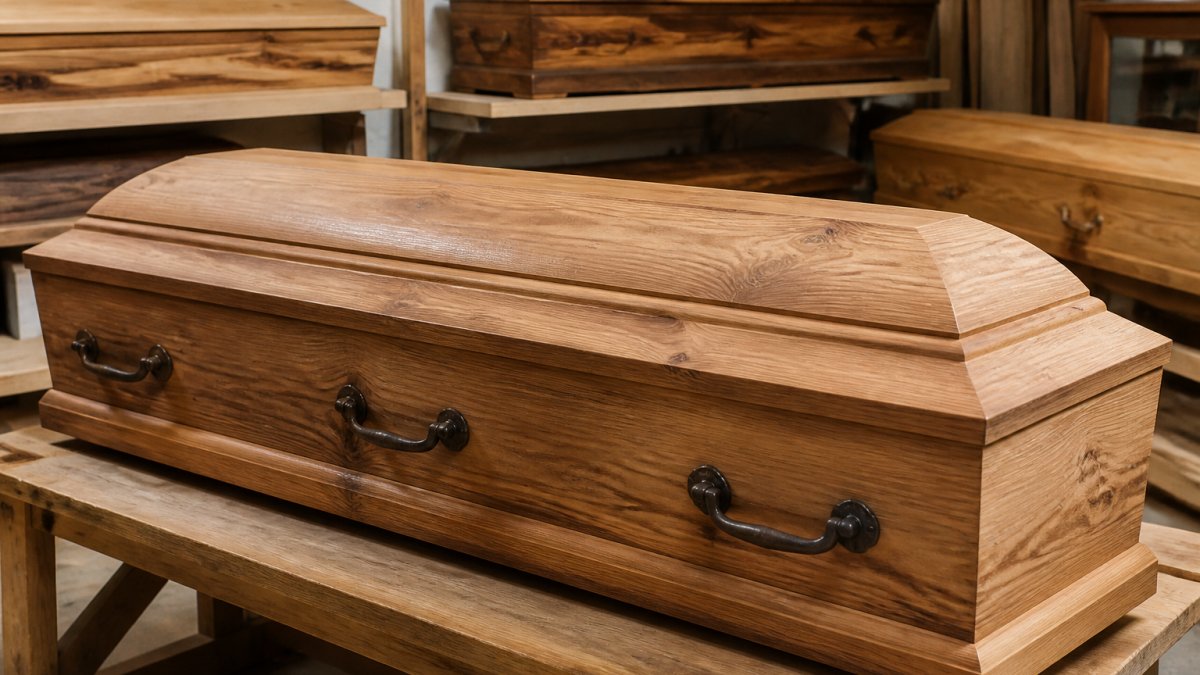
Wooden caskets have experienced renewed interest among families seeking natural materials and handcrafted quality. While less common than steel overall, wooden caskets appeal to specific demographics: families valuing environmental considerations, those preferring rustic aesthetics, and individuals drawn to artisanal craftsmanship.
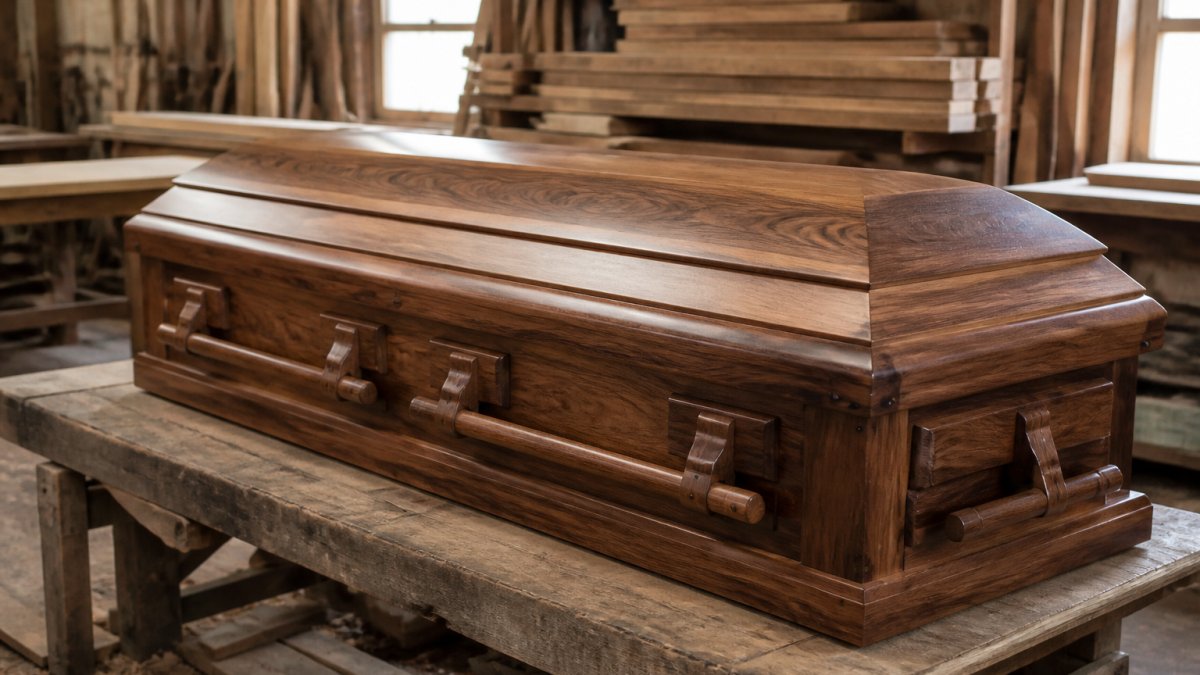
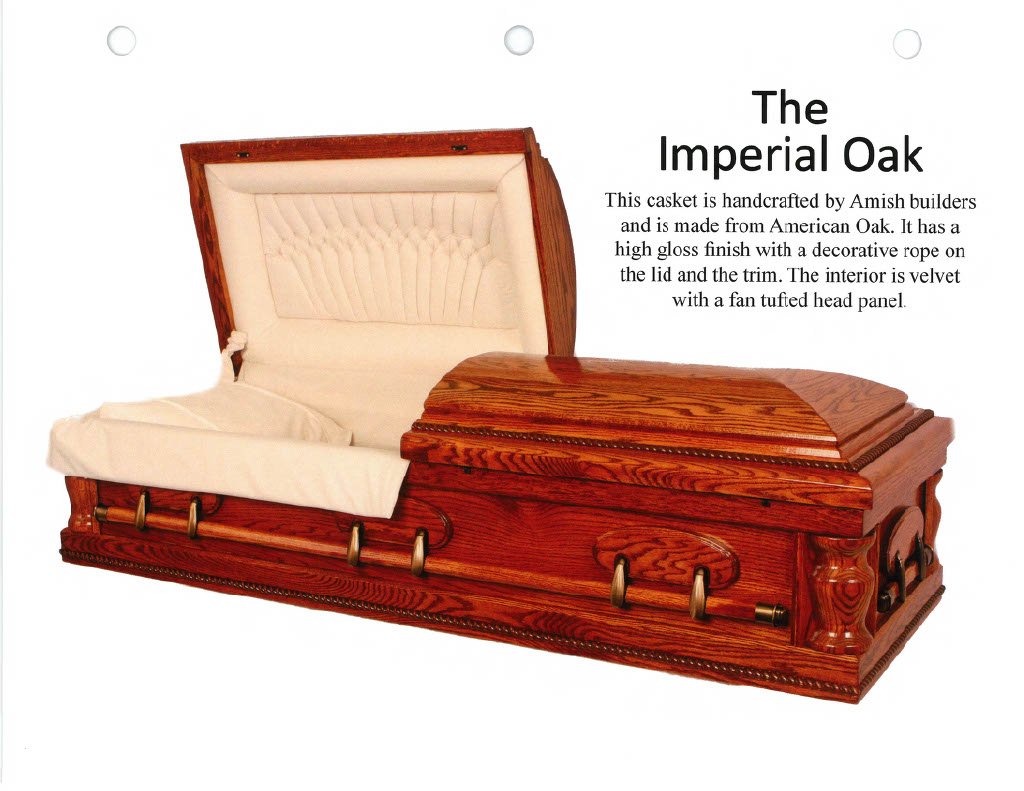
Wood species vary significantly in appearance and durability. Popular choices include mahogany, walnut, cherry, and oak, each offering distinct grain patterns and finishes. Mahogany and walnut command premium prices due to their rich coloring and natural beauty.
Wooden caskets crafted by skilled artisans, such as those created by Barnwood Casket's Amish craftsmen, represent the highest quality in this category.
Metal vs. Wood Caskets: Which Dominates?
The comparison between metal and wood caskets reveals important distinctions in durability, cost, and aesthetic appeal. Steel caskets dominate in raw numbers, but this reflects availability and marketing rather than universal preference.
Metal caskets, primarily steel, with bronze and copper options available, account for approximately 70-80% of casket sales.
Wooden caskets, despite lower overall volume, capture growing market share among families prioritizing authenticity and environmental consciousness. The most popular wooden caskets are those offering genuine craftsmanship and distinctive character, qualities that differentiate them from mass-produced alternatives.
Steel Gauge and Construction Quality
Steel casket quality depends significantly on gauge thickness. An 18-gauge steel casket is thicker and more durable than a 20-gauge casket, providing better long-term protection and a more substantial feel.
Construction quality extends beyond gauge. Sealing methods, corner reinforcement, and hinge durability all influence how well a steel casket performs over time.
Funeral professionals recognize that construction quality matters more than gauge alone. A well-constructed 20-gauge casket often outperforms a poorly constructed 18-gauge model. This distinction explains why quality manufacturers command respect within the industry.
Durability and Corrosion Resistance
Steel caskets resist corrosion through protective finishes and proper manufacturing. Stainless steel offers superior corrosion resistance compared to carbon steel, though stainless steel caskets cost significantly more.
Wooden caskets present different durability considerations. Quality wood construction resists deterioration through proper joinery and finish application. Handcrafted wooden caskets from skilled artisans often outlast mass-produced alternatives due to superior construction techniques and material selection.
Bronze and copper caskets offer exceptional corrosion resistance. These premium metals develop natural patinas over time but resist rust and degradation far better than steel.
Casket Materials: What Families Choose
Material selection reflects personal values, aesthetic preferences, and budget considerations. Understanding available options helps families make decisions aligned with their priorities.

Carbon Steel and Stainless Steel
Carbon steel caskets represent the most popular metal choice due to their balance of durability and affordability. These caskets feature protective finishes that prevent rust and corrosion under normal burial conditions. Carbon steel's popularity reflects practical economics: it provides reliable protection at accessible price points.
Stainless steel caskets offer superior corrosion resistance but command premium pricing. These caskets appeal to families prioritizing maximum durability or selecting above-ground entombment. The distinction between carbon and stainless steel matters primarily for long-term preservation, both serve adequately for traditional burial.
Bronze and Copper Options
Bronze caskets represent the premium metal category. Bronze's natural resistance to corrosion, combined with its distinctive warm appearance, appeals to families seeking luxury and longevity. Bronze caskets develop a natural patina over time, adding character while maintaining structural integrity.
Copper caskets offer similar advantages with a different aesthetic. Copper's reddish tone and natural patina development create distinctive appearance that appeals to specific families. Both bronze and copper caskets command significant premiums compared to steel alternatives.
Wood Species and Finishes
Mahogany stands as the most popular wood choice for premium caskets. Its rich reddish-brown color, fine grain structure, and natural beauty create caskets of distinctive elegance. Mahogany's popularity reflects both aesthetic appeal and proven durability.
Walnut offers similar status with darker coloring and dramatic grain patterns. Walnut caskets appeal to families seeking sophisticated, contemporary aesthetics. Cherry provides warmth and character at more accessible price points.
Handcrafted wooden caskets, particularly those created without power tools by skilled artisans, represent the highest quality in wood casket construction.
Casket Prices and Cost Considerations
Casket pricing varies dramatically based on material, construction method, and distribution channel. Understanding cost factors helps families make informed decisions without overpaying.
Casket Type | Key Price Factors | Typical Consideration |
Steel (20-gauge) | Material cost, finish options | Budget-conscious families |
Steel (18-gauge) | Thicker material, durability | Families prioritizing protection |
Wooden (mass-produced) | Wood species, basic construction | Moderate budget, natural preference |
Wooden (handcrafted) | Artisan labor, superior joinery | Families valuing craftsmanship |
Bronze/Copper | Premium material, corrosion resistance | Families seeking maximum longevity |
Factors That Affect Casket Cost
Material selection drives primary cost differences. Steel caskets cost less than wooden alternatives, which generally cost less than bronze or copper caskets. Within each category, quality and construction method influence pricing significantly.
Construction method matters substantially. Mass-produced caskets manufactured using standardized processes cost less than handcrafted alternatives. Handcrafted caskets require skilled labor, careful material selection, and time-intensive construction, factors that increase cost but deliver superior quality and uniqueness.
Wood species selection influences wooden casket pricing. Mahogany and walnut command premium prices compared to oak or cherry. Interior lining quality, hardware finishes, and customization options all affect final cost.
Shipping and Add-On Expenses
Casket pricing often excludes delivery costs. Shipping adds expense that varies based on casket weight and delivery distance. Heavier caskets, particularly bronze and copper options, incur higher shipping costs than lightweight alternatives.
Add-on services affect total cost. Personalization options, custom wood selections, and special finishes increase pricing. Families should clarify what's included in quoted prices and what represents additional charges.
Many funeral homes offer financing options for casket purchases. Understanding available payment methods helps families manage expenses during difficult times.
Best Casket Companies and Quality Craftsmanship
Quality casket manufacturers distinguish themselves through superior construction, material selection, and customer service. The most popular casket companies maintain strong reputations through consistent delivery of reliable products.
What Sets Quality Manufacturers Apart
Quality manufacturers prioritize construction integrity over cost-cutting. Superior casket companies use reinforced corner construction, quality hardware, and durable interior linings. They maintain strict quality control standards and stand behind their products.
Reputation matters in the casket industry. Funeral directors develop relationships with manufacturers they trust to deliver consistent quality and reliable service. Quality companies respond promptly to special requests and handle emergency orders professionally.
Artisanal casket makers distinguish themselves through handcrafted quality and unique character. Barnwood Casket exemplifies this approach, our Amish craftsmen create one-of-a-kind pieces using superior wood selection and construction techniques developed over generations.
Handcrafted vs. Mass-Produced Options
Handcrafted caskets offer distinct advantages over mass-produced alternatives. Skilled artisans can customize designs, select superior materials, and execute construction techniques that mass-production processes cannot match. Each handcrafted casket becomes a unique tribute reflecting individual character.
Mass-produced caskets offer consistency, availability, and affordability. Standardized manufacturing ensures reliable quality and accessible pricing. However, mass-production necessarily prioritizes efficiency over customization, resulting in limited design options and generic character.
The choice between handcrafted and mass-produced reflects personal priorities. Families valuing uniqueness, superior craftsmanship, and personalization choose handcrafted options. Those prioritizing immediate availability and budget constraints select mass-produced alternatives.
Choosing the Right Casket for Your Loved One
Selecting a casket involves balancing practical considerations with emotional and personal factors. The most popular casket choices reflect individual values rather than universal standards.
Regional Preferences and Burial Customs
Regional traditions influence casket selection significantly. Some regions favor traditional steel caskets, while others embrace wooden alternatives. Burial preferences, ground burial versus above-ground entombment, affect material recommendations.
Families with strong cultural or religious traditions may prefer caskets reflecting those values. Some traditions emphasize simplicity and natural materials, while others favor ornate designs and premium finishes.
Climate considerations matter for long-term preservation. Regions with high moisture or acidic soil benefit from corrosion-resistant materials like bronze or stainless steel. Drier climates allow broader material choices.
Consumer Rights and Buying Outside a Funeral Home
Federal regulations give families the right to purchase caskets from any source and use them with any funeral home. The Funeral Rule, enforced by the Federal Trade Commission, prohibits funeral homes from charging handling fees for caskets purchased elsewhere or requiring casket purchases through their facilities (the FTC).
Families can purchase caskets directly from manufacturers, retailers, or online sources, then provide them to their chosen funeral home. This right protects consumer choice and prevents monopolistic pricing practices.
Understanding these rights helps families to make decisions based on value rather than convenience. Direct casket purchasing often reduces costs while expanding available options beyond funeral home inventory.
Families should verify that any casket purchased independently meets their funeral home's requirements and fits available equipment. Communication between families and funeral directors ensures smooth coordination.
Selecting the most popular casket reflects your family's values, budget, and preferences for your loved one's final tribute.
At Barnwood Casket, we've served funeral directors and families since 2010 by offering handcrafted caskets that combine superior Amish craftsmanship with genuine care. We guarantee every piece and specialize in timely service for urgent needs. CONTACT Barnwood Casket to explore how our handcrafted caskets can provide a meaningful, distinctive tribute for your loved one.
Frequently Asked Questions
What is the most popular casket material?
Steel caskets dominate the market as the most popular casket material, particularly 18-gauge and 20-gauge carbon steel options. Steel caskets offer excellent durability, corrosion resistance, and longevity. Wooden caskets represent a growing alternative, especially among families seeking natural materials and handcrafted quality. The choice between metal and wood caskets often depends on personal preference, budget, regional burial customs, and whether families prioritize traditional appearance or modern durability.
Are metal or wood caskets more popular?
wood caskets are gaining popularity among consumers who value environmental considerations and artisanal craftsmanship. Metal caskets appeal to families seeking maximum durability and corrosion resistance for long-term ground burial. Wood caskets attract those preferring natural materials and unique, handcrafted designs. Popularity varies by region and burial preference, with some areas showing stronger preference for traditional wood construction.
How much does a typical casket cost?
Casket pricing depends on material, construction method, design complexity, and delivery requirements. Steel caskets and wooden caskets vary in price based on wood species and craftsmanship level. Additional costs include shipping, setup fees, and customization requests. For current pricing specific to your needs, contact casket manufacturers or funeral service providers directly. Many offer quotes based on your specific requirements and timeline.
What is the difference between a casket and a coffin?
The primary difference is shape: caskets are rectangular with flat lids, while coffins are six-sided with tapered designs narrowing toward the feet. Caskets dominate modern funeral services in the United States and typically feature interior lining, handles, and more decorative finishes. Coffins are less common in contemporary practice but remain used in some religious traditions and historical contexts. Both serve the same fundamental purpose in funeral services, but casket design has become the standard choice for most families.
CONTACT
Comments