
Wooden Caskets: Materials, Styles & Selection Guide

Table of Contents
Understanding Wooden Caskets
Solid Wood Caskets: Construction and Durability
All-Wood Construction vs. Veneered Options
Wood Drying and Craftsmanship
Wood Species and Material Options
Hardwood vs. Softwood
Popular Wood Choices: Oak, Cherry, Walnut, and Mahogany
Amish-Made Caskets: Handcrafted Quality
Wood Casket Types and Styles
Traditional and Contemporary Designs
Interior Dimensions and Oversized Options
Wood Casket Prices and Value
Wooden Caskets vs. Metal Caskets
Selecting the Right Wooden Casket
Frequently Asked Questions
Last Updated: October 16, 2026
Understanding Wooden Caskets
Wooden caskets represent a meaningful choice for families seeking natural elegance and craftsmanship in funeral arrangements. A wooden casket is a burial container constructed primarily from wood, designed to provide a dignified final resting place while reflecting the individual's life and values. Unlike mass-produced alternatives, many wooden caskets are handcrafted with attention to detail that honors the deceased and provides comfort to grieving families.
At Barnwood Casket, we've been creating handcrafted wooden caskets since 2010, working with families and funeral directors who value quality and authenticity. The craftsmanship involved in building wooden caskets differs significantly from industrial manufacturing, each piece is constructed with intention, often using traditional methods that showcase the natural beauty of the wood itself.
Families choose wooden caskets for several reasons. The natural grain patterns and warm tones of wood create a timeless appearance. The material itself carries symbolic weight, wood connects to earth, nature, and permanence. For many, a wooden casket represents a return to simplicity and authenticity during a time when meaningful choices matter most.
Understanding what makes wooden caskets distinct requires looking at how they're built, what materials go into them, and how they compare to other options available to families planning funeral arrangements.
Solid Wood Caskets: Construction and Durability
The foundation of a quality wooden casket lies in how it's constructed. Solid wood caskets are built using real wood throughout the structure, creating a product that's both durable and visually authentic. This construction method directly affects how the casket performs over time and how families experience the product during funeral services.
All-Wood Construction vs. Veneered Options
Solid wood caskets use wood as the primary structural material for the casket body, interior, and hardware mounting points. This approach means the entire casket is made from real wood rather than a composite or veneer applied over a different base material. The difference matters because solid wood construction provides structural integrity that lasts, while also delivering the authentic appearance families expect.
Veneered caskets use a thin layer of quality wood applied over a different substrate. While veneered options can be attractive and more affordable, they don't offer the same durability or the authentic construction that solid wood provides. For families seeking genuine wooden caskets, solid wood construction ensures the product is what it appears to be, wood throughout, not just on the surface.
Wood Drying and Craftsmanship
The process of preparing wood for casket construction involves careful drying to prevent warping, cracking, or structural failure. Craftspeople who work with wooden caskets understand that proper wood drying is essential to creating a product that maintains its integrity.
Handcrafted wooden caskets benefit from the attention that experienced builders bring to this process. Rather than rushing wood through industrial drying chambers, artisan craftsmen allow wood to cure properly and inspect each piece for quality before construction begins. This approach takes more time but produces wooden caskets that remain sound and beautiful for years.
Pro Tip When evaluating wooden caskets, ask funeral directors about the drying process used.
Wood Species and Material Options
The type of wood chosen for a casket affects both its appearance and its performance. Different wood species offer distinct grain patterns, color ranges, and durability characteristics. Understanding these options helps families make choices aligned with their preferences and values.
Hardwood vs. Softwood
Hardwoods come from deciduous trees and generally offer greater density and durability than softwoods. Oak, cherry, walnut, and mahogany are all hardwoods commonly used in wooden casket construction.
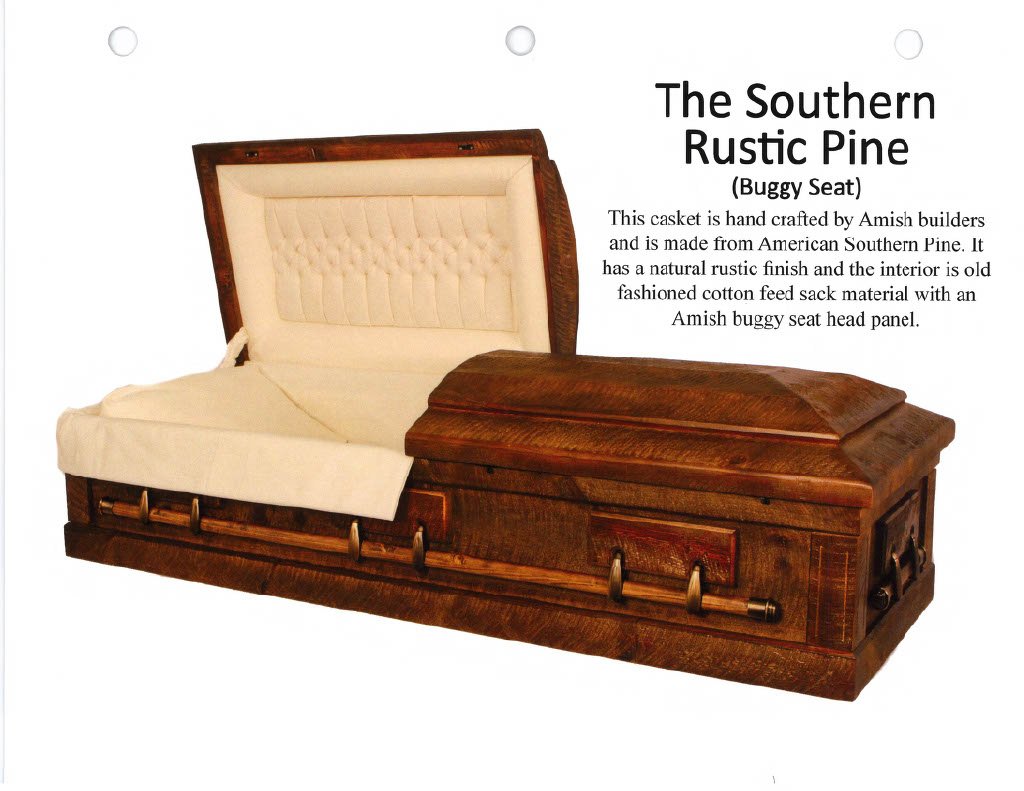
Softwoods like pine and poplar are lighter in weight and often more affordable. Softwoods work well for families seeking a more modest wooden casket or those prioritizing affordability without sacrificing quality craftsmanship.
The choice between hardwood and softwood wooden caskets depends on family preferences, budget considerations, and the aesthetic they want to achieve. Both can be beautifully constructed and appropriate for burial.
Popular Wood Choices: Oak, Cherry, Walnut, and Mahogany
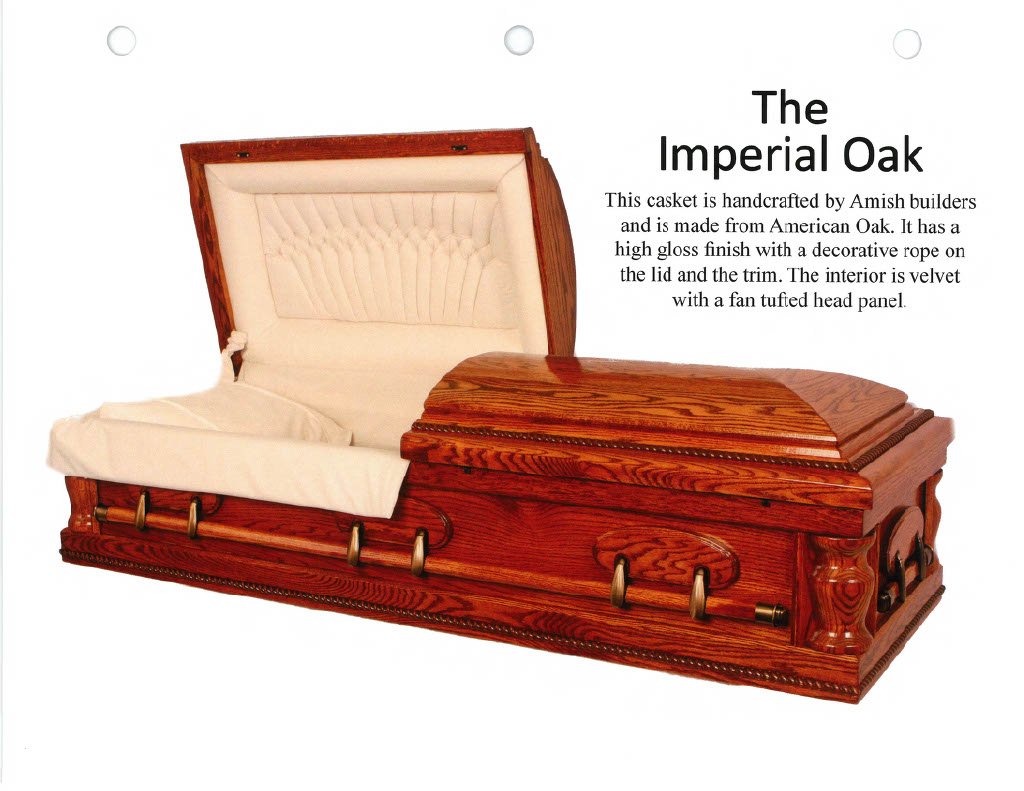
Oak is one of the most popular choices for wooden caskets. Its prominent grain pattern and medium to dark coloring create visual interest and warmth. Oak wooden caskets are durable, relatively affordable compared to other hardwoods, and appeal to families seeking a classic appearance.
Cherry offers a refined aesthetic with a natural reddish-brown tone that deepens over time. Cherry wooden caskets appeal to families seeking elegance and sophistication. The wood works well for both traditional and contemporary casket designs.
Walnut provides rich, dark coloring with subtle grain patterns. Walnut wooden caskets convey dignity and formality. This wood is prized for its beauty and is often chosen by families seeking a premium appearance.
Mahogany delivers deep reddish-brown tones and fine grain structure. Mahogany wooden caskets are associated with quality and craftsmanship. The wood has been used in fine furniture for centuries and brings that same sense of permanence to casket construction.
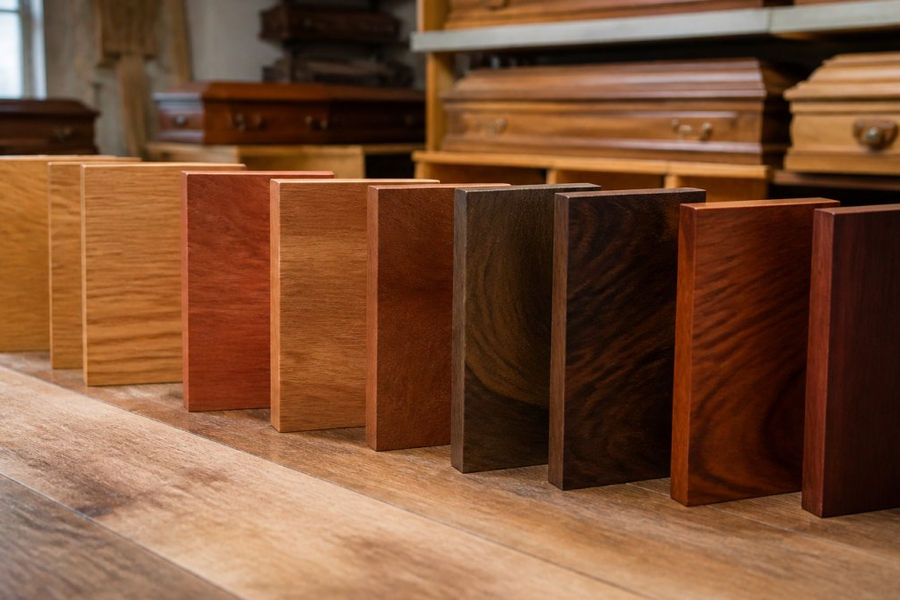
Each of these wood species brings distinct character to a wooden casket. Families can view samples and discuss options with funeral directors to find the wood that best represents their loved one and their own preferences.
Amish-Made Caskets: Handcrafted Quality
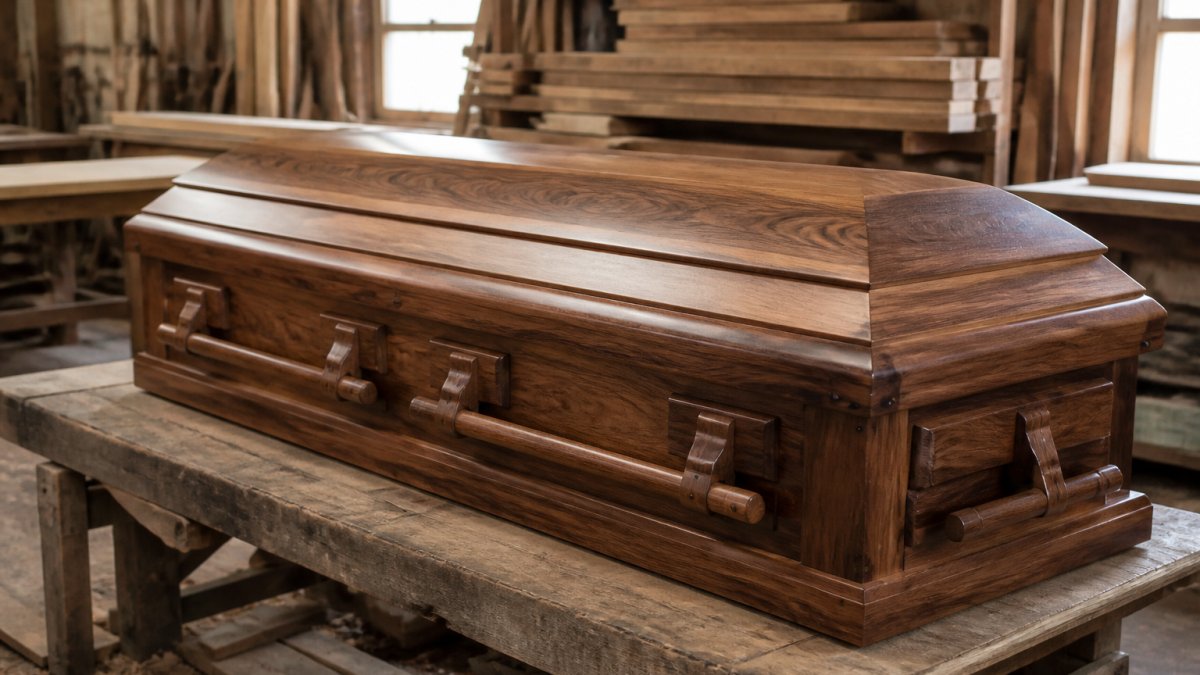
Handcrafted wooden caskets built by Amish craftsmen represent a particular approach to casket construction that emphasizes skill, attention to detail, and traditional methods. Amish-made caskets are often built without power tools, relying instead on hand tools and techniques passed down through generations.
This approach to building wooden caskets produces pieces that reflect individual craftsmanship. Each casket is unique, variations in wood grain, finish application, and hardware placement mean no two Amish-made wooden caskets are identical. For families valuing individuality and authenticity, this uniqueness carries meaning.
Amish craftspeople who build wooden caskets typically work within small, family-based operations. Their commitment to quality and their faith-based approach to their work influence how they construct each piece. The result is wooden caskets that families recognize as genuinely handmade, with visible evidence of skilled labor throughout.
Barnwood Casket partners with independent Amish craftsmen to offer wooden caskets that reflect this tradition. Our commitment to working with skilled builders ensures that each casket meets high standards for construction and appearance. Families working with funeral directors can access these handcrafted options through our network of professional partners.
Key Takeaway Amish-made wooden caskets offer an alternative to mass-produced options. The handcrafted nature of these pieces means each casket carries the mark of individual skill and care, a meaningful distinction for families seeking something authentic.
Wood Casket Types and Styles
Wooden caskets come in various designs that reflect different aesthetic preferences and functional requirements. Understanding the options available helps families choose a casket that aligns with how they want to remember their loved one.
Traditional and Contemporary Designs
Traditional wooden casket designs feature classic lines, often with raised panels on the sides and a simple, dignified appearance. These caskets appeal to families seeking timeless elegance and a formal presentation. Traditional designs work well in both modern and historic funeral settings.
Contemporary wooden casket designs may feature cleaner lines, simpler panel structures, or modern hardware choices. Some contemporary wooden caskets incorporate mixed materials or finish options that appeal to families seeking a more current aesthetic while still choosing wood as the primary material.
Both traditional and contemporary wooden casket designs can be beautifully executed. The choice depends on family preference and how they want the casket to reflect their loved one's life and values.
Interior Dimensions and Oversized Options
Standard wooden caskets are designed to accommodate most adults comfortably. Interior width typically ranges to allow proper positioning and dignity. However, some families require oversized wooden casket options to meet specific needs.
Oversized wooden caskets maintain the same quality of construction and material options as standard caskets while providing additional interior dimensions. These caskets ensure that all individuals, regardless of size, receive the same respectful treatment and dignified presentation. Funeral directors can discuss oversized wooden casket options when needed, and skilled builders can construct these to meet specific requirements.
Wood Casket Prices and Value
Pricing for wooden caskets varies based on wood species selection, construction method, interior options, and customization. Solid wood caskets built with quality craftsmanship offer genuine value in durability, appearance, and the integrity of handcrafted construction.
When evaluating wooden casket pricing, consider what's included in the cost. Quality wooden caskets feature proper wood preparation, skilled construction, durable hardware, and finished interiors. These elements contribute to the final price.
Funeral directors can provide detailed pricing information and help families understand the value proposition of different wooden casket options. Many funeral homes work with multiple suppliers to offer families a range of choices at different price points. For families seeking handcrafted wooden caskets with exceptional quality, Barnwood Casket works through licensed funeral directors to provide options that balance quality and fair pricing.
Watch Out Be cautious of extremely low prices for wooden caskets. Ask funeral directors about construction methods and materials to ensure you're getting genuine value.
Wooden Caskets vs. Metal Caskets
Wooden caskets and metal caskets represent different approaches to casket construction, each with distinct advantages. Understanding the differences helps families make informed choices about what best suits their needs and preferences.
Metal caskets, typically made from steel or copper, offer durability and a modern appearance. Metal caskets are available in various colors and finishes and appeal to families seeking a contemporary look.
Wooden caskets offer warmth, natural beauty, and a connection to traditional craftsmanship. The organic nature of wood creates an aesthetic that many families find comforting and meaningful. Wooden caskets appeal to families valuing authenticity and natural materials.
The choice between wooden caskets and metal caskets is personal. Both are appropriate for funeral services and burial. Families should consider their aesthetic preferences, values regarding natural materials, and budget when making this decision. Funeral directors can present options and help families understand what each choice offers.
Selecting the Right Wooden Casket
Choosing a wooden casket involves considering several factors that align with family preferences, values, and practical requirements. Start by discussing options with your funeral director, who can present available wooden casket styles and explain construction details.
Consider wood species and how the appearance resonates with you. Visit showrooms or view samples to see how different woods look and feel. Think about whether traditional or contemporary design appeals to you. Discuss interior options and any special requirements with your funeral director.
Ask questions about construction. Understand whether the casket is solid wood or veneered. Learn about the wood drying process and craftsmanship involved.
Consider your budget and what wooden casket options fit within it. Quality craftsmanship at fair pricing is possible, you don't need to choose between authenticity and affordability. Funeral directors working with quality suppliers like Barnwood Casket can help you find wooden caskets that meet your needs.
Selection Factor | What to Consider |
Wood Species | Oak, cherry, walnut, mahogany, each offers different appearance and durability |
Construction | Solid wood vs. veneered; handcrafted vs. mass-produced |
Design | Traditional or contemporary style that reflects your preferences |
Interior Dimensions | Standard or oversized options based on requirements |
Craftsmanship | Evidence of quality construction and attention to detail |
Budget | Fair pricing for quality wooden caskets |
Choosing a wooden casket is a meaningful decision that honors your loved one while reflecting your family's values. Quality wooden caskets built with genuine craftsmanship offer beauty, durability, and authenticity. At Barnwood Casket, we're committed to providing handcrafted wooden caskets that families trust. Contact your funeral director to learn about our options, and discover how genuine craftsmanship can honor the life you're remembering.
Frequently Asked Questions
What types of wood are used to make wooden caskets?
Common woods include oak, cherry, walnut, mahogany, maple, pine, and poplar. Hardwoods like oak and walnut offer greater durability and a classic appearance, while softwoods like pine provide an affordable, natural aesthetic. The choice depends on desired longevity, wood grain appearance, and budget. Each wood species brings distinct characteristics in color, grain pattern, and how it ages over time.
Are solid wood caskets worth the cost?
Solid-wood construction offers superior durability, authentic craftsmanship, and lasting elegance compared to veneered alternatives. All-wood caskets resist warping and deterioration better, making them a meaningful choice for families valuing quality and permanence. Handcrafted solid-wood caskets also provide one-of-a-kind character that mass-produced options cannot match, though pricing depends on wood species and customization.
How long do wooden caskets last?
Well-crafted all-wood construction with proper wood drying and finish quality extends lifespan significantly compared to veneered or lower-quality caskets.
What should I look for when comparing wooden caskets?
Evaluate wood species (hardwood vs. softwood), construction method (solid wood vs. veneer), interior dimensions and capacity, craftsmanship quality, finish durability, and design style. For oversized options, verify interior width and weight capacity. Consider whether the casket suits burial or is suitable for display.
CONTACT
Comments